
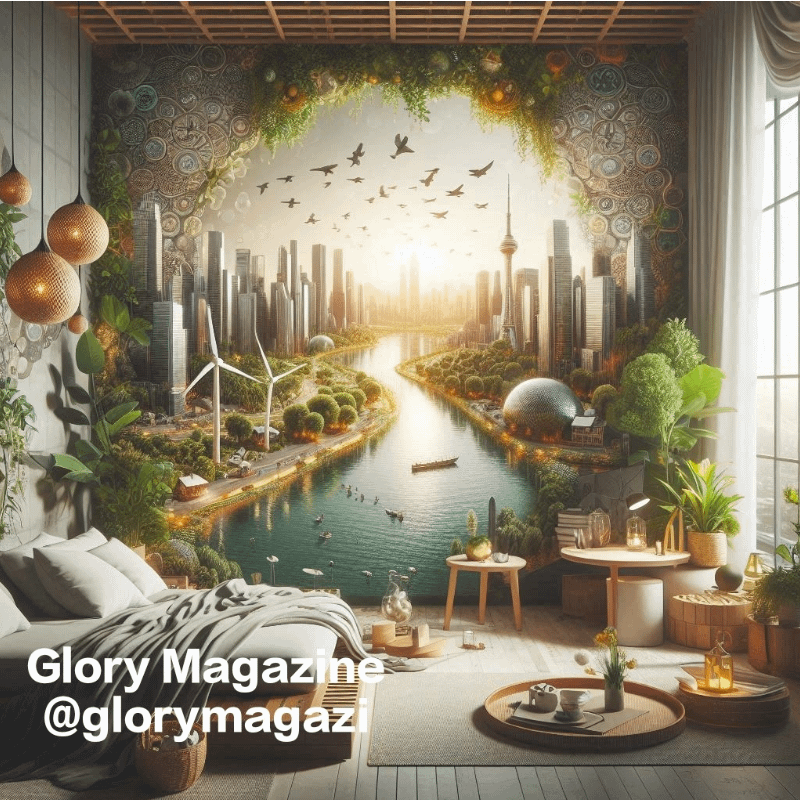
Luxury has traditionally been synonymous with opulence and extravagance. However, consumer preferences are shifting toward products and experiences that align with sustainability and ethical values. This transformation has given rise to sustainable luxury, a revolutionary trend redefining high-end goods and services.
What is Sustainable Luxury?
Sustainable luxury combines elegance and ethical responsibility. It involves high-end products and services designed with eco-friendly practices, fair labor, and minimal environmental impact. This trend is reshaping industries like fashion, travel, and more, making them not just luxurious but also responsible.
Sustainable Fashion: A New Era of High-End Style
The fashion industry has often been criticized for its negative impact on the environment and labor practices. However, a growing number of luxury brands are taking proactive steps to ensure their products are both stylish and sustainable.
Key Trends in Sustainable Fashion
1. Eco-Friendly Materials
Luxury brands are embracing materials like organic cotton, recycled polyester, and innovative plant-based fibers. These options not only reduce environmental harm but also maintain the premium quality associated with high-end fashion.
2. Ethical Production
Leading brands are implementing fair labor practices, ensuring safe working conditions and fair wages for workers in their supply chains.
3. Circular Fashion
The rise of circular fashion emphasizes recycling and upcycling. High-end brands are designing garments with extended life cycles, reducing waste, and encouraging customers to recycle their luxury pieces.
Sustainable Travel: Experiencing Luxury with a Conscience
Sustainable travel has emerged as a top priority for eco-conscious luxury consumers. By combining high-end experiences with environmentally responsible practices, the travel industry is revolutionizing the way we explore the world.
Eco-Friendly Trends in Luxury Travel
1. Eco-Luxury Resorts
From solar-powered accommodations to waste reduction initiatives, luxury resorts are leading the charge in sustainability. Many properties now actively support local communities and prioritize eco-friendly operations.
2. Sustainable Experiences
Travelers are gravitating toward experiences that preserve local cultures and ecosystems, such as wildlife safaris, heritage tours, and farm-to-table dining.
3. Carbon-Neutral Travel
Luxury travel companies are offering carbon offset programs, allowing customers to minimize the environmental impact of their journeys.
Why Ethical Luxury is the Future
As consumers grow increasingly eco-aware, luxury brands must adapt to stay relevant. Adopting sustainable practices is not just a marketing strategy; it’s a necessity for long-term success.
Benefits of Embracing Sustainable Luxury
- Enhanced Brand Reputation: Ethical practices build trust and loyalty among customers.
- Market Expansion: Sustainable luxury appeals to a younger, socially conscious demographic.
- Positive Environmental Impact: By adopting eco-friendly practices, brands contribute to global sustainability goals.
Conclusion: The Mainstream Shift Toward Sustainable Luxury
Sustainable luxury is no longer a niche concept. It has become a mainstream expectation among modern consumers. By prioritizing ethical practices and eco-friendly innovations, luxury brands can lead the way in shaping a better, more sustainable future.
The fusion of luxury and responsibility is more than a trend—it’s a movement redefining the meaning of true luxury.
FAQ: Frequently Asked Questions About Sustainable Luxury
Q: What makes luxury products sustainable?
A: Sustainable luxury products are made using eco-friendly materials, ethical production methods, and practices that reduce environmental impact.
Q: Why is sustainable travel important?
A: Sustainable travel minimizes the negative effects of tourism on the environment and supports local communities, ensuring responsible exploration.
Q: How can I identify eco-friendly luxury brands?
A: Look for certifications like Fair Trade, organic labels, or brands with transparent sustainability policies.





 Price Prediction 2025: A Data-Driven Analysis)

